On May 7, 2026, the USDA published new rules for stores that accept SNAP benefits. But for individual applicants, the biggest changes come from the “One Big Beautiful Bill Act” passed in July 2025 and Florida’s own restrictions that took effect on April 24, 2026.
If you live in Florida and need to know whether you still qualify for the Supplemental Nutrition Assistance Program (SNAP), this article gives you the precise eligibility criteria updated with 2026 figures, immigrant exclusions, work requirements up to age 64, and asset limits that could disqualify you.
Floridans have to comply with updated SNAP requirements
Between January 2025 and January 2026, approximately 499,000 people left SNAP in Florida, spread across 256,000 households. That is a 15.3% drop in beneficiaries compared to the previous period, according to preliminary USDA data. Three main drivers explain this contraction.
First, work requirements expanded to age 64 instead of the previous limit of 55. Second, the law excluded immigrants with humanitarian protections, leaving only citizens and legal permanent residents eligible. Third, a cost shift to Florida caused the state to tighten its own administration. Below are the exact eligibility rules as of May 2026.
Residency and migratory situation for SNAP benefits
Regarding residency and immigration status, since the One Big Beautiful Bill Act took effect on July 15, 2025, only U.S. citizens and legal permanent residents with at least five years of residency or certain military exemptions can receive SNAP.
Permanently excluded are people with conditional entry for asylum, TPS or DACA holders, and those with humanitarian parole, domestic violence survivor status, or trafficking victim status under nonpermanent residency. The Florida MyACCESS system requires your Social Security number and immigration documents, and there are no state‑level exceptions to this rule.
Income rules to qualify for “food stamps”
Your gross monthly income cannot exceed 200% of the 2026 Federal Poverty Level. For a one‑person household, that means a maximum of 1,330 dollars per month, or 15,960 dollars per year. For two people, the limit is 1,796 dollars per month. For three people, it is 2,262 dollars. For four people, it is 2,728 dollars. If you earn more than that, you do not qualify. If you earn less, you still must meet the asset and work rules.
On assets, Florida follows the federal rule that most households have no asset limit. However, there is one critical exception that affects thousands of Floridians. If your household has at least one disqualified member, for example someone who fails the work rules or has a drug conviction, then an asset limit applies.
That limit is 3,000 dollars in countable assets such as cash, bank accounts, stocks, or second property. It rises to 4,500 dollars if the household includes a person aged 60 or older or a person with a disability. Your primary home, one vehicle with no value limit, and retirement accounts are not counted. A real example from Florida DCF case files in April 2026 involved a two‑person household where the father was disqualified for not working eighty hours but the mother worked. That household had a 3,000 dollar asset limit, and because they had 3,500 dollars in savings, they were found ineligible.
Work requirements have expanded for SNAP recipients
The One Big Beautiful Bill Act raised the maximum age subject to work requirements from 55 to 64 years. It also removed automatic exemptions for veterans, people who aged out of foster care, and homeless individuals.
Currently, people aged 16 to 64 without a disability or dependents must show eighty hours per month of paid work or participation in the SNAP Employment and Training program. Florida does not accept volunteer work for this requirement.
Valid exemptions include a certified disability with medical documentation, caring for a child under six or a disabled person, or being enrolled at least half‑time in high school or college. However, be careful: college students who do not work twenty hours per week may be disqualified unless they have a dependent child or receive TANF. If you work at least thirty hours per week or earn 217.50 dollars per week, which is thirty hours times the federal minimum wage of 7.25 dollars, you automatically meet the requirement.
Things that make you ineligible for SNAP in Florida
There are also automatic disqualifiers that apply regardless of income or assets. You are ineligible if you have a drug trafficking conviction unless you completed a certified treatment program and have two years clean with no new conviction. You are also ineligible if you are fleeing a felony arrest warrant, including out‑of‑state warrants.
Additionally, college students enrolled at least half‑time who do not work twenty hours per week are disqualified, with the same exceptions for having a dependent child or receiving TANF. The University of Central Florida reported in April 2026 that 12% of its low‑income students lost SNAP due to this student rule.
What you can buy with SNAP in Florida changed on April 24, 2026
Florida requested a waiver under the Rural Health Transformation Program, a fifty‑billion‑dollar fund, and the USDA approved it. As of April 24, 2026, you cannot use SNAP to buy: candy, sweets, sodas including diet sodas, energy drinks, or processed desserts such as snack cakes, filled cookies, and ice cream novelties.
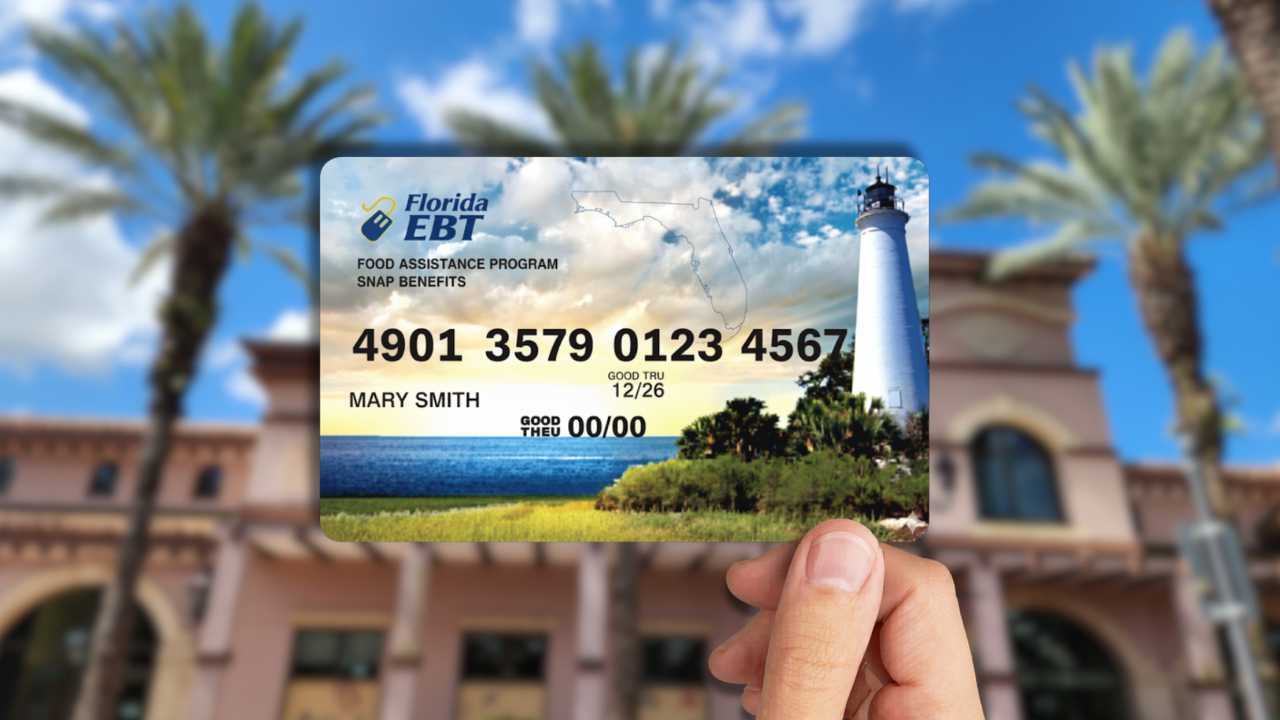
You can still buy: fruits, vegetables, meat, dairy, bread, cereals, legumes, and seeds. When you pay with your EBT card at Walmart or Publix, the system applies an automatic filter. If you try to buy a soda, the payment will be rejected with no warning from the cashier.
This article was updated with data from the USDA press release of May 7, 2026, the Congressional Budget Office estimate of a 186 billion dollar cut through 2034, and the Florida DCF memo of May 2, 2026 on processing delays. The next scheduled review is June 1, 2026, after the second quarter eligibility data release.