If you are a U.S. citizen or green card holder living outside the United States and Puerto Rico, the Internal Revenue Service (IRS) gives you extra time to file your 2025 tax return in 2026. Understanding exactly how these two key extensions work can save you from unnecessary interest charges and late-filing penalties.
The IRS automatically grants a two-month extension to June 15, 2026 for qualifying taxpayers abroad. This applies if, on April 15, 2026, your tax home and your regular place of abode were both outside the U.S. and Puerto Rico. It also covers members of the military or naval service stationed overseas.
How to Claim the Automatic June 15 IRS Extension Without Filing Any Form
You don’t need to file any form in advance to claim this extension. However, when you finally submit your Form 1040, you must attach a short signed statement explaining that you met the foreign residency conditions on the original due date.
Keep in mind that this extension only covers filing your return. Any taxes you owe are still due on April 15. If you pay after that date, the IRS will charge daily interest, even if you avoid the failure-to-file penalty by submitting everything by June 15.
In my practice, I’ve noticed that many expatriates in several countries miss this important detail. One expat in Madrid wrote on X that they underestimated his balance due and ended up paying over $400 in interest within two months. Small mistakes like this add up quickly.
Who Can Claim an Extension up to October
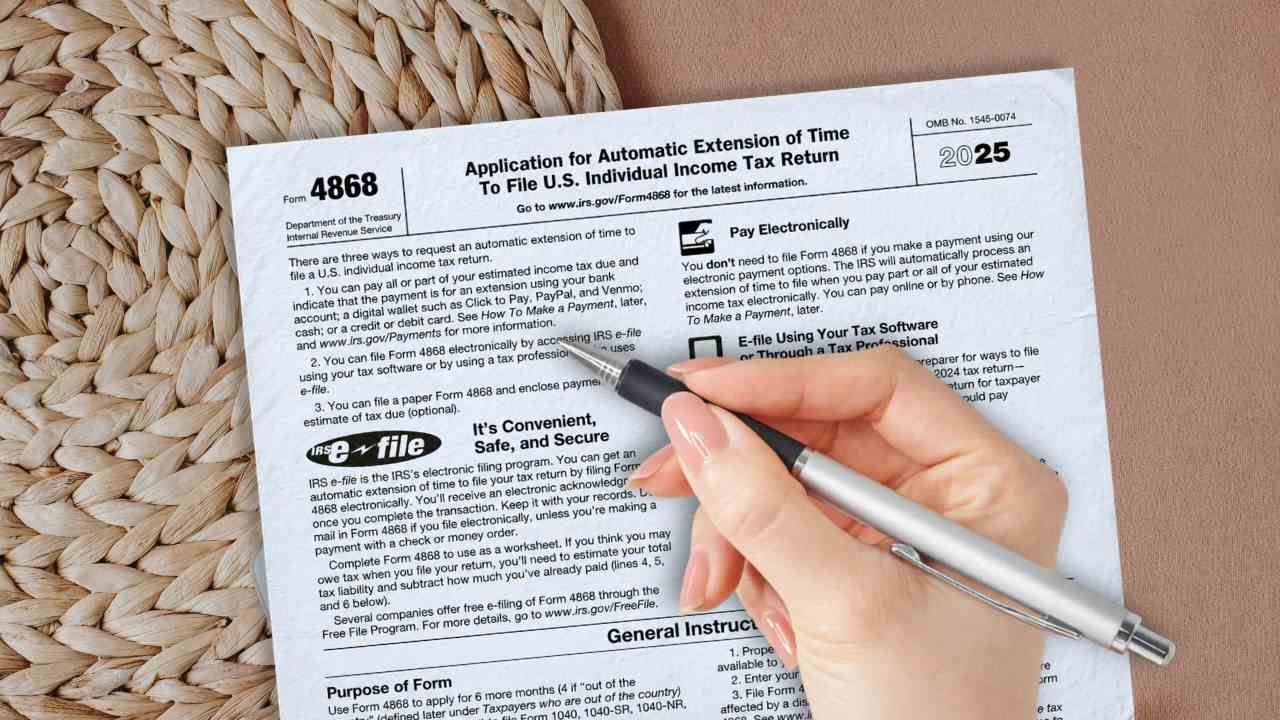
If you need even more time, you can request an additional extension up to October 15, 2026 by filing Form 4868. You should submit this form before June 15 (or before April 15 if you don’t qualify for the automatic foreign extension). The IRS usually approves it automatically without asking for a reason.
Just like the June extension, the October 15 deadline only extends the time to file — not the time to pay. You should estimate and pay what you owe as early as possible to keep interest and potential underpayment penalties to a minimum.
Right now in mid-May 2026, many expatriates who already have all their documents ready are filing early to get their refunds faster. Others dealing with foreign bank statements, delayed 1099s, or complex Foreign Earned Income Exclusion calculations are wisely planning to use one of these extensions.
How to Eliminate Underpayment Penalties
My practical advice is simple: use the best information you have today to calculate and pay at least 90% of what you owe by the April deadline (or June if you qualify for the automatic extension). This approach almost always eliminates underpayment penalties.
Also, take time to carefully review whether you truly meet the “tax home” and “abode” tests. Temporary travel usually doesn’t count. If you plan to claim the Foreign Earned Income Exclusion, these extra months can give you valuable time to meet the 330 full days of physical presence or the bona fide residence test.
Organize your records now — W-2s, foreign income documents, FBAR reports if required, and proof of taxes paid abroad. Consider working with a professional who regularly works with Publication 54 and knows the specific challenges faced by Americans living overseas.