President Donald Trump is raising the bar for himself and for those who dare to challenge him: he just announced his intention to distribute $2,000 stimulus checks to Americans, funded exclusively by tariff revenues and, according to him, without congressional approval.
This proposal, which has generated immediate legal and economic controversy, not only contradicts statements from his own economic advisor but also raises a fundamental question about who is really footing the bill for the trade war, and what’s going to happen with this stimulus checks proposal.
During a White House press conference, Trump stated, “I don’t think we have to go through Congress, but we’ll see.”
How Americans Would Actually Get a $2,000 Check
This stance directly contradicts comments made in December by Kevin Hassett, Director of the National Economic Council, who asserted that any such plan would require the involvement of both the House and the Senate. This divergence reveals internal tensions regarding the strategy to follow in an election year.
The scheme, whose operational details remain vague, aims to direct checks to low- and middle-income citizens, excluding the wealthiest. However, the administration has not defined a specific income threshold.
A preliminary suggestion from Treasury Secretary Scott Bessent pointed to a limit of $100,000 annually, though it was emphasized that this was not a final decision. Cost estimates vary widely. The Tax Foundation calculates that the outlay could range from $280 billion to $607 billion.
The Math Behind Trump’s $2,000 Checks
The central problem, according to budget analysts, is the math. The Committee for a Responsible Federal Budget states that $2,000 per person would cost approximately $600 billion, a figure that doubles the annual revenue expected from tariffs.
This discrepancy raises questions about where the remaining money would come from or whether the proposal would entail a drastic reduction in the number of beneficiaries.
The promise of a $2,000 check sounds like a clear and immediate economic relief. However, beyond the political announcement, the actual fate of that money—if it ever reaches citizens’ pockets—paints a complex picture of family economic health and defines the true impact of such a measure. Far from being a mere number in a speech, its potential use reveals the priorities and pressures of American households.
Ideas for Using Your $2,000 Stimulus Checks (If They Materialize)
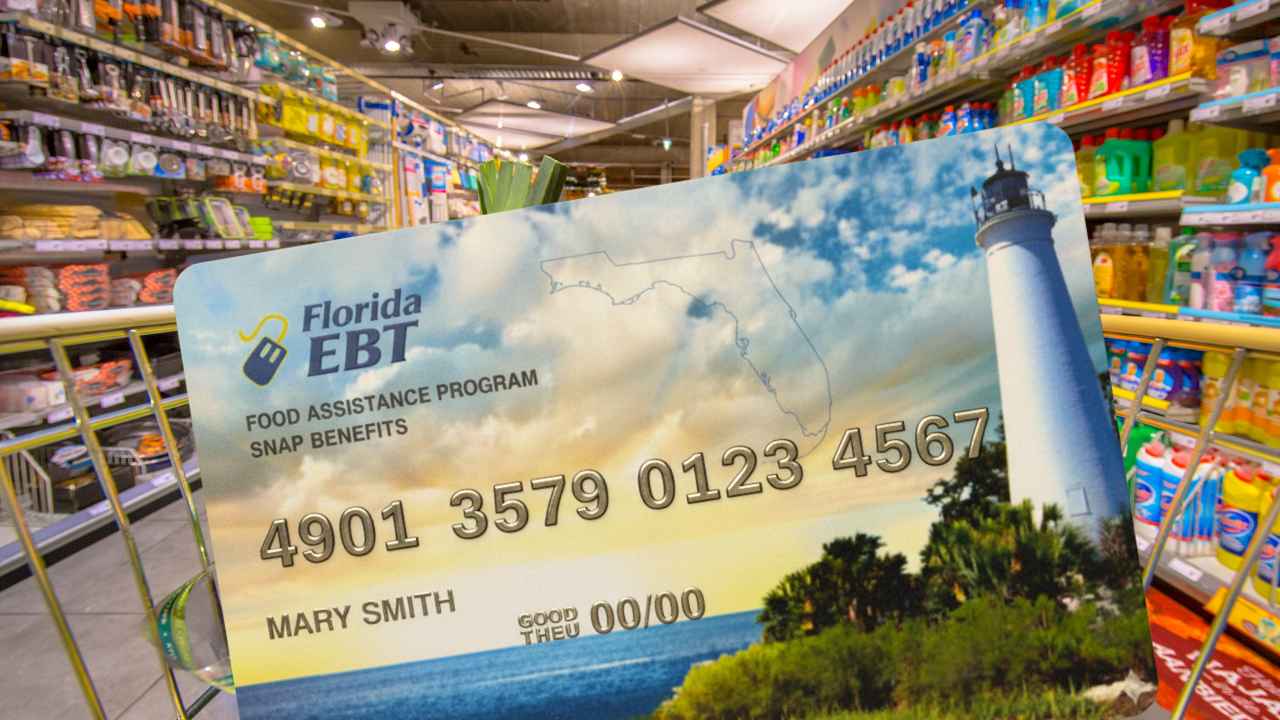
First, evidence from previous rounds of direct payments, such as those distributed during the pandemic, indicates that most recipients prioritize basic stability. A significant portion is immediately allocated to overdue essential needs: rent or mortgage payments, utility bills gathering dust on the kitchen table, and groceries.
This spending acts as a vital safety net, preventing deeper personal crises such as evictions or power outages. For many families, this is not money for luxuries but a resource to stay afloat in a sea of rising costs.
A minority, particularly those with some financial leeway, might use the funds to strengthen their long-term position: boosting a dwindling emergency fund, undertaking a major car repair to avoid future expenses, or even investing in professional development. These uses, while less visible, reflect an attempt to build resilience in the face of economic uncertainty.
Ultimately, it’s your decision how you should or want to use your stimulus check, so we recommend you carefully evaluate your situation and use the money at your own risk, or with the advice of a financial expert, your accountant, or a financial counselor.