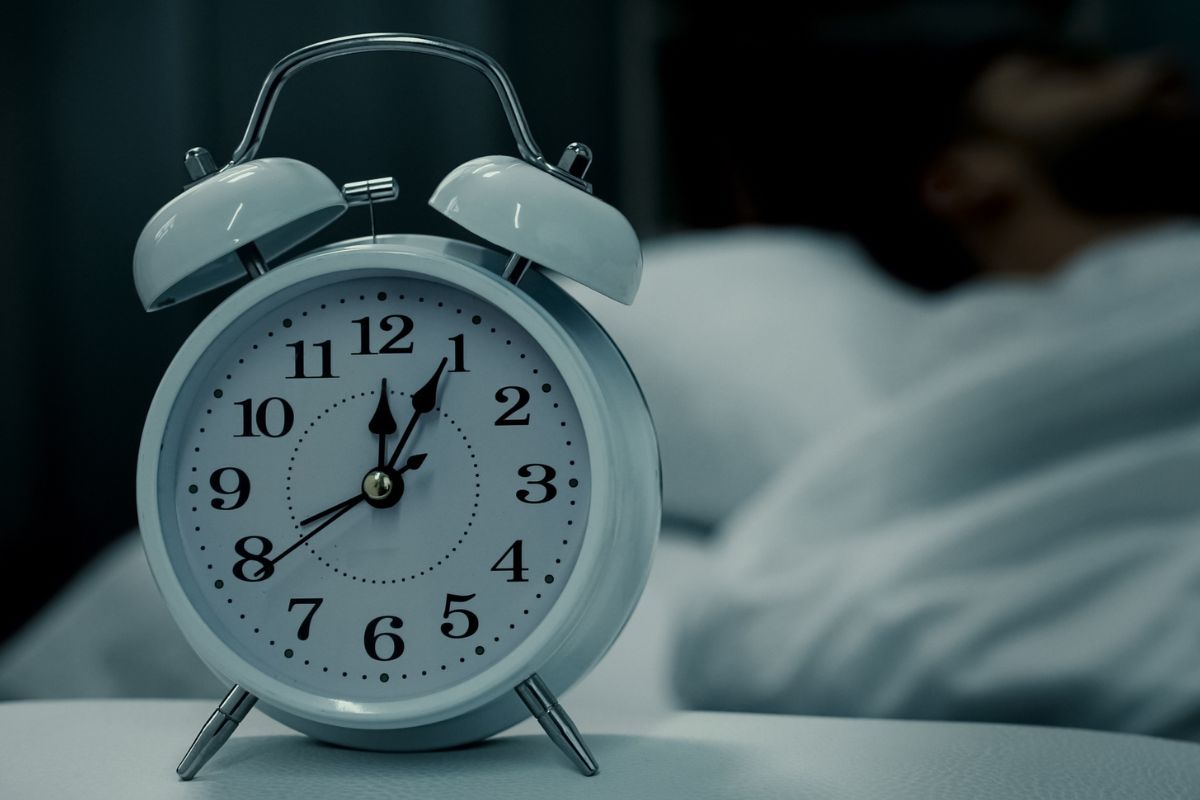
The countdown has begun: millions of Americans will soon have to adjust their clocks as Daylight Saving Time comes to an end. While many welcome the extra hour of rest, the change also brings noticeable impacts on daily life, health, and routine.
This year, the transition takes place on Sunday, November 2, 2025, at 2:00 a.m., when clocks will be set back one hour. From that moment, the U.S. will enter standard time, with earlier sunsets and longer nights becoming part of everyday life.
How does this shift affect Americans?
The end of Daylight Saving Time is more than just a clock adjustment. Shorter daylight hours often disrupt sleep cycles, affect productivity, and may even influence mental health. Studies have linked the seasonal shift to increased fatigue and, in some cases, symptoms of Seasonal Affective Disorder (SAD).
Experts recommend preparing in advance with small adjustments, such as going to bed slightly earlier, seeking morning sunlight, reducing caffeine intake, and limiting screen time before sleep. These measures can help the body adapt more smoothly to the time change.
States that don’t follow the switch
Not every U.S. region takes part in the time shift. Hawaii, most of Arizona, Puerto Rico, Guam, and the U.S. Virgin Islands stay on standard time year-round.
Meanwhile, the debate over whether Daylight Saving Time should be permanent continues in Congress and among experts. Supporters believe it saves energy and makes better use of daylight, while critics highlight its negative effects on health and safety.
For now, the tradition stands: on November 2, 2025, Americans will wake to brighter mornings, darker evenings, and the return of standard time.