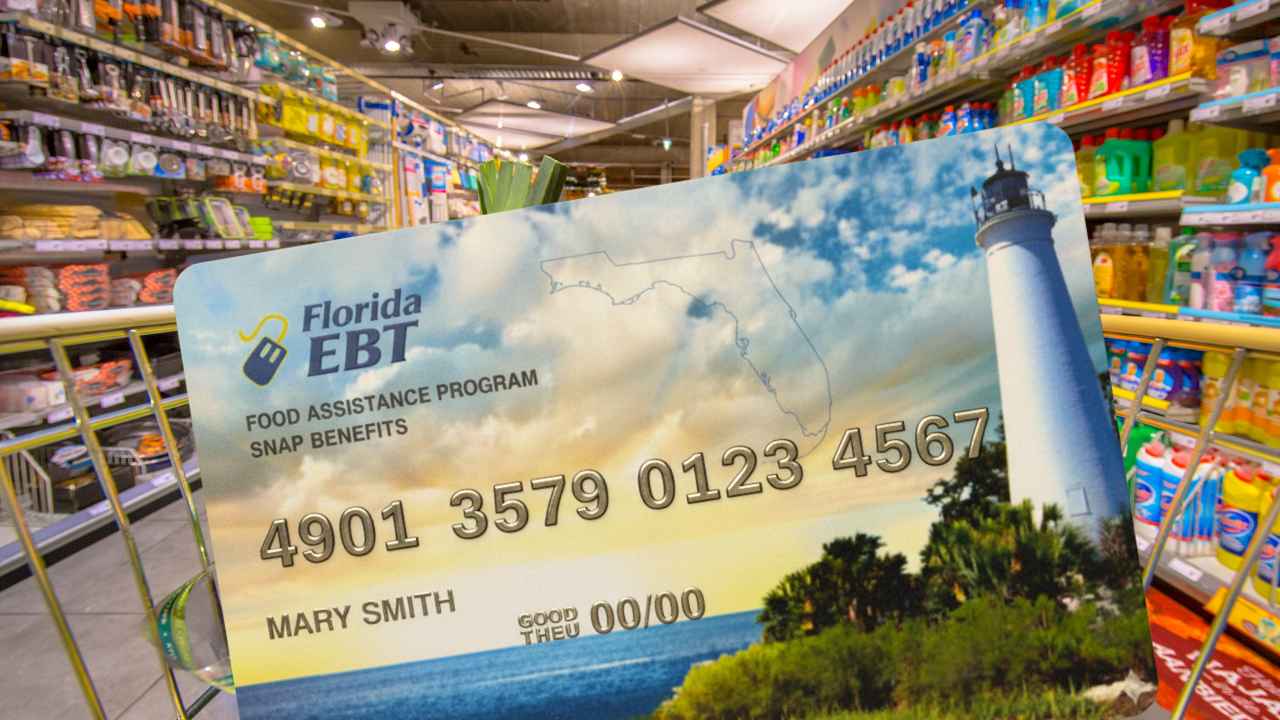
In the United States, it is possible to get SNAP benefit payments. This is the Federal Supplemental Nutrition Assistance Program, which was previously known as the Food Stamps program. Each State has different paydays, and they are in charge of administering applications. Whether you are an eligible recipient or you are a possible applicant, you may still have time to collect this food assistance in July.
For example, some SNAP applicants may qualify for expedited benefits if they are in a terrible financial situation and have no money to buy food. To avoid this food insecurity, the USDA may allow eligible recipients to collect Food Stamps in less time. Generally, to get Supplemental Nutrition Assistance Program benefits, you must wait for about 30 days to get your payment on an EBT card. EBT stands for Electronic Benefits Transfer card.
Which States are delivering SNAP from June 20-28?
As a matter of fact, 16 States will deposit payments on SNAP EBT cards through June 28, 2025. If you have already collected your Supplemental Nutrition Assistance Program in June, see the payment schedule for July below.
- Alabama: June 4 to 23
- Delaware: June 2 to 23
- Florida: June 1 to 28
- Georgia: June 5 to 23
- Indiana: June 5 to 23
- Louisiana: June 1 to 23
- Maryland: June 4 to 23
- Michigan: June 3 to 21
- Mississippi: June 4 to 21
- Missouri: June 1 to 22
- New Mexico: June 1 to 20
- North Carolina: June 3 to 21
- Ohio: June 2 to 20
- Tennessee: June 1 to 20
- Texas: June 1 to 28
- Washington: June 1 to 20
- Puerto Rico: June 4 to 22
Families of 4 can receive up to $975 in the 48 contiguous States and the District of Columbia. If you are single, you can receive up to $292. However, the largest payment will be $1,756 for a household of 8.
What are the payment dates for SNAP in July?
Bear in mind that all the SNAP payments in July and June include the 2025 COLA increase. It is likely that the USDA unveils the new 2026 COLA figure for the payments in October 2025.
- Alabama: July 4 to 23
- Alaska: July 1
- Arizona: July 1 to 13
- Arkansas: July 4 to 13
- California: July 1 to 10
- Colorado: July 1 to 10
- Connecticut: July 1 to 3
- Delaware: July 2 to 23
- Florida: July 1 to 28
- Georgia: July 5 to 23
- Hawaii: July 3 to 5
- Idaho: July 1 to 10
- Illinois: July 1 to 10
- Indiana: July 5 to 23
- Iowa: July 1 to 10
- Kansas: July 1 to 10
- Kentucky: July 1 to 19
- Louisiana: July 1 to 23
- Maine: July 10 to 14
- Maryland: July 4 to 23
- Massachusetts: July 1 to 14
- Michigan: July 3 to 21
- Minnesota: July 4 to 13
- Mississippi: July 4 to 21
- Missouri: July 1 to 22
- Montana: July 2 to 6
- Nebraska: July 1 to 5
- Nevada: July 1 to 10
- New Hampshire: July 5
- New Jersey: July 1 to 5
- New Mexico: July 1 to 20
- New York: July 1 to 9
- North Carolina: July 3 to 21
- North Dakota: July 1
- Ohio: July 2 to 20
- Oklahoma: July 1 to 10
- Oregon: July 1 to 9
- Pennsylvania: Over the 1st ten working days in July 2025
- Rhode Island: July 1
- South Carolina: July 1 to 10
- South Dakota: July 10
- Tennessee: July 1 to 20
- Texas: July 1 to 28
- Utah: July 5, 11, and 15
- Vermont: July 1
- Virginia: July 1 to 7
- Washington: July 1 to 20
- West Virginia: July 1 to 9
- Wisconsin: July 1 to 15
- Wyoming: July 1 to 4
- Guam: July 1 to 10
- Puerto Rico: July 4 to 22
- The District of Columbia: July 1 to 10
- The U.S. Virgin Islands: July 1
For your information, the maximum SNAP amounts shown above are not for Alaska, Hawaii, Guam, and the U.S. Virgin Islands. Since they have higher inflation, they get more money when it comes to maximum amounts.