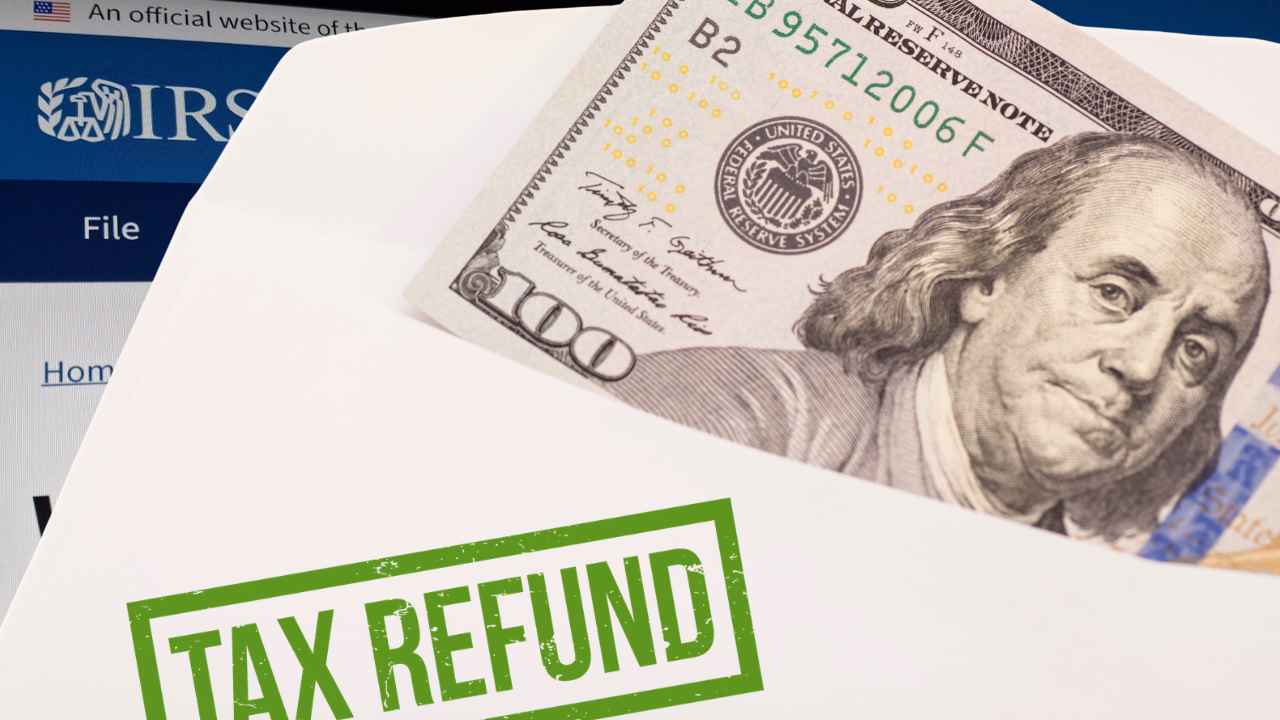
The April 15 tax deadline has come and gone. But for millions of people, that wasn’t really the end of it. May is when a certain group of taxpayers finally sees money show up in their bank accounts. To figure out who they are, you need to look back at decisions made weeks or even months earlier.
The Internal Revenue Service (IRS) started accepting electronic returns on January 26, 2026. For anyone who filed early and used direct deposit, the wait wasn’t bad. By late March, the agency had processed over 57 million refunds—more than 80% of them landed in accounts within 21 days.
The average refund came to $3,571. Those early filers are done. The people still waiting in May are a different story.
Late Filers Won’t See IRS Refunds Until May
One big group? Taxpayers who waited until the final weeks before the deadline to file. That peak period slows everything down. The IRS gets slammed with returns in a short window, and even clean, error-free submissions can take the full 21 days or a little longer.
Say you e-filed on April 10 and picked direct deposit. You’d reasonably expect your refund to arrive sometime between early and mid-May, though it depends on your bank.
Then there are people who mailed paper returns. Paper processing has always been slower—usually four to eight weeks after the IRS receives the return. If you mailed yours in early April with a postmark, you’re most likely looking at May. Sometimes later.
Manual IRS Review Delays Refunds
A more complicated bunch includes filers whose returns got flagged for extra review. That means people who claimed the Additional Child Tax Credit, filed amended returns, or requested injured spouse relief. In all those cases, the IRS has to do manual processing, which adds time no matter how early you filed.
The same goes if your refund was offset to cover unpaid child support, federal agency debts, or state income taxes. The IRS has to handle that offset before any remaining money gets released.
No Direct Deposit? Refund Stuck Until May
Also worth noting: the new direct deposit rule tripped up quite a few people. As of September 30, 2025, the IRS stopped mailing paper refund checks as part of a push to modernize government payments. If you filed without providing bank account information, you got a CP53E notice saying your refund was on hold.
To free it up, you had to either log into your IRS Individual Online Account and add your routing and account numbers, or qualify for a rare exception and request a paper check waiver by calling 800-829-1040. If you got that notice in April and resolved it quickly, May became your actual refund month.
Late Filers and COVID Penalty Claims Also Push Refunds to May
Another group—smaller but not insignificant—involves taxpayers who got an automatic six‑month extension using Form 4868. That pushed their filing deadline to October 15, 2026.
But some of them had their paperwork ready by April anyway and decided to file soon after the regular deadline. Their returns entered the queue late, so refunds show up in May or June.
One more thing, and it’s easy to miss. A court case called Kwong ruled that penalties and interest charged during the COVID‑19 federal disaster period might have been improper. This could affect tens of millions of taxpayers.
The IRS Taxpayer Advocate flagged it publicly, noting that relief won’t happen automatically. Most affected people need to file a claim using Form 843 by July 10, 2026. Those who filed early protective claims and are now waiting on the IRS could see refunds move in May.