SNAP payments have gone up lately due to those yearly cost-of-living adjustments (COLA). It’s, basically, more help on the table for families who qualify when it comes to buying groceries. We’ll dive deeper into what those boosts mean a bit later on.
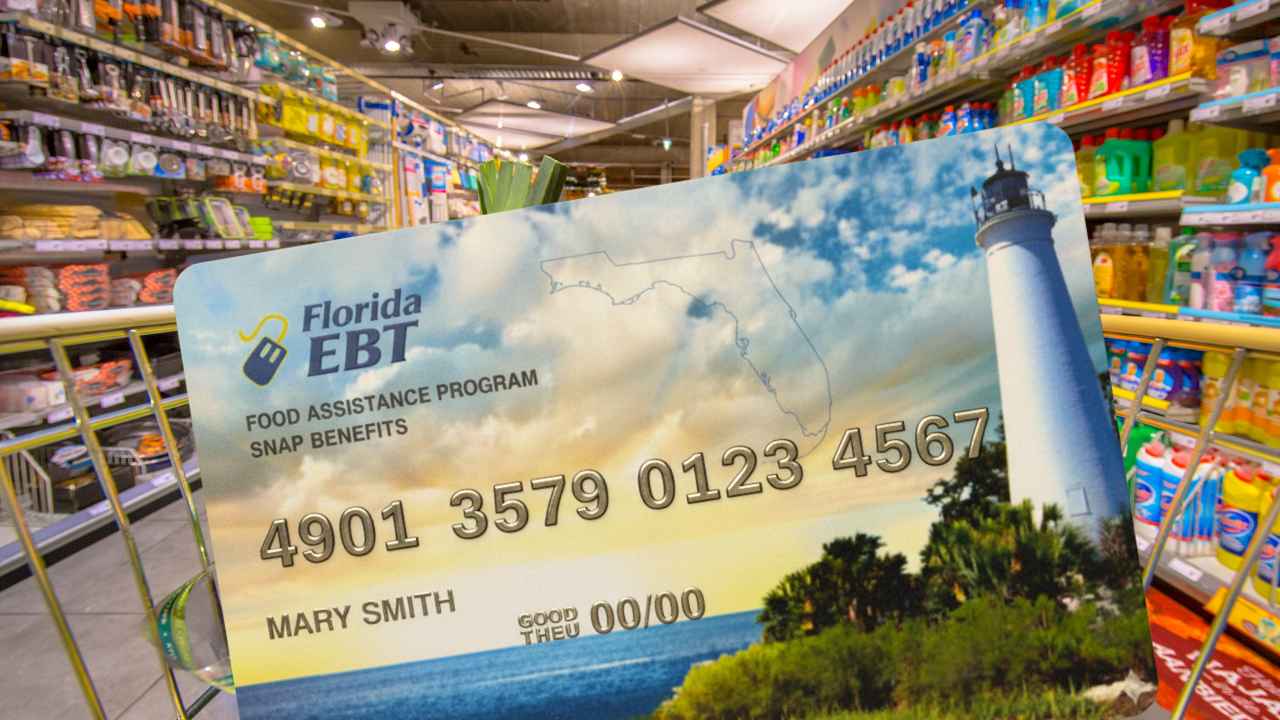
SNAP benefits, short for Supplemental Nutrition Assistance Program, are this federal program run by the U.S. Department of Agriculture. It hands out EBT cards loaded with monthly funds so low-income folks and households can grab food from approved stores.
The main objective is to make sure everyone gets the basic food for a decent diet, and it can cover up to the full amount for those hit hardest by tough times.
SNAP Payment Schedule in Florida (October 14-28, 2025)
Every month, the SNAP benefits are sent out from the 1st to the 28th of every month, based on the 9th and 8th digits of your Florida case number (read backwards), eliminating the 10th digit. Since we’re already in the middle of the month, here are the upcoming payments in the next two weeks:
| Payment Date | Last Two Digits of SSN |
|---|---|
| October 14, 2025 | 46-48 |
| October 15, 2025 | 49-53 |
| October 16, 2025 | 54-57 |
| October 17, 2025 | 58-60 |
| October 18, 2025 | 61-64 |
| October 19, 2025 | 65-67 |
| October 20, 2025 | 68-71 |
| October 21, 2025 | 72-74 |
| October 22, 2025 | 75-78 |
| October 23, 2025 | 79-81 |
| October 24, 2025 | 82-85 |
| October 25, 2025 | 86-88 |
| October 26, 2025 | 89-92 |
| October 27, 2025 | 93-95 |
| October 28, 2025 | 96-99 |
Maximum SNAP Benefits Allotments
Now, check out these max monthly SNAP benefit amounts for Fiscal Year 2026 (that’s October 1, 2025, through September 30, 2026). These apply to the lower 48 states and D.C., including Florida, and they’re the top-line figures before any income deductions kick in—your actual amount might be less depending on your setup.
| Household Size | Maximum Monthly Benefit |
|---|---|
| 1 | $298 |
| 2 | $546 |
| 3 | $785 |
| 4 | $994 |
| 5 | $1,183 |
| 6 | $1,421 |
| 7 | $1,571 |
| 8 | $1,789 |
| 9 | $2,007 |
| 10 | $2,225
|
Quick note: Add $218 for each extra person after eight. These are up about 2.5-2.9% from last year’s figures, small wins, but they add up.
SNAP in Florida: Eligibility Rules and How to Apply in 2025-2026
For Fiscal Year 2026, the big-picture eligibility stuff for SNAP hasn’t flipped upside down from before, but there are inflation tweaks to income caps and a couple of work rule updates. I’ll break it down simply (this covers the lower 48 states and D.C., including Florida—always double-check with your local office since states can tweak things).
Key Eligibility Basics:
- Income Levels:
- Gross Monthly Income (130% of federal poverty level): Most households can’t top these:
Household Size Gross Monthly Limit 1 $1,696 2 $2,292 3 $2,888 4 $3,483 5 $4,079 6 $4,675 7 $5,271 8 $5,867 Each Additional +$596 - Net Monthly Income (100% of federal poverty level): After deductions like rent or childcare:
Household Size Net Monthly Limit 1 $1,305 2 $1,763 3 $2,221 4 $2,680 5 $3,138 6 $3,596 7 $4,055 8 $4,513 Each Additional +$459 - Households with seniors over 60 or disabled folks? Gross limit jumps to 165% (like $2,152 for one person).
- Gross Monthly Income (130% of federal poverty level): Most households can’t top these:
- Assets: Cap at $3,000 for most; $4,500 if there’s a senior or disabled member. Doesn’t count your main home, a basic car, or retirement savings.
Work Requirements (for able-bodied adults without dependents)
If you’re in the able-bodied adults without dependents group, or “ABAWDs“, you’ve got to clock at least 80 hours a month working, in job training, or a work program—or get an exemption. Heads up for 2026: The rules now stretch to folks 55-64 without kids at home (used to stop at 49), thanks to a federal law signed back in July 2025. Exemptions still apply for pregnant people, those with disabilities, or high-unemployment zones.
In every case, you’ll need U.S. citizenship or legal status; no bias based on race, gender, you name it. Benefits get figured by subtracting 30% of your net income from the max.
Applying in Florida, Step-by-Step Guide
- Online: Head to the free ACCESS Florida site (myflfamilies.com/accessflorida)—it’s secure and pretty quick to get started.
- In Person or Mail: Swing by a local Department of Children and Families (DCF) office or a community partner; locations are listed on myflfamilies.com.
- Phone: Give ’em a ring at 1-866-762-2237 if you need a hand.
- Timeline: They aim for 30 days max, or just 7 if it’s an emergency. Applying costs nothing, and you can track progress online.
Remember to apply only if you and your household are in current need, since these funds are intended only for those who require food assistance in order to keep them away from hunger risk.